|
Axel Christensen: The Czar of Ragtime and his Ragtime Review Chapter 5: Axel Christensen Ragtime Instruction Manuals
By Ted Tjaden
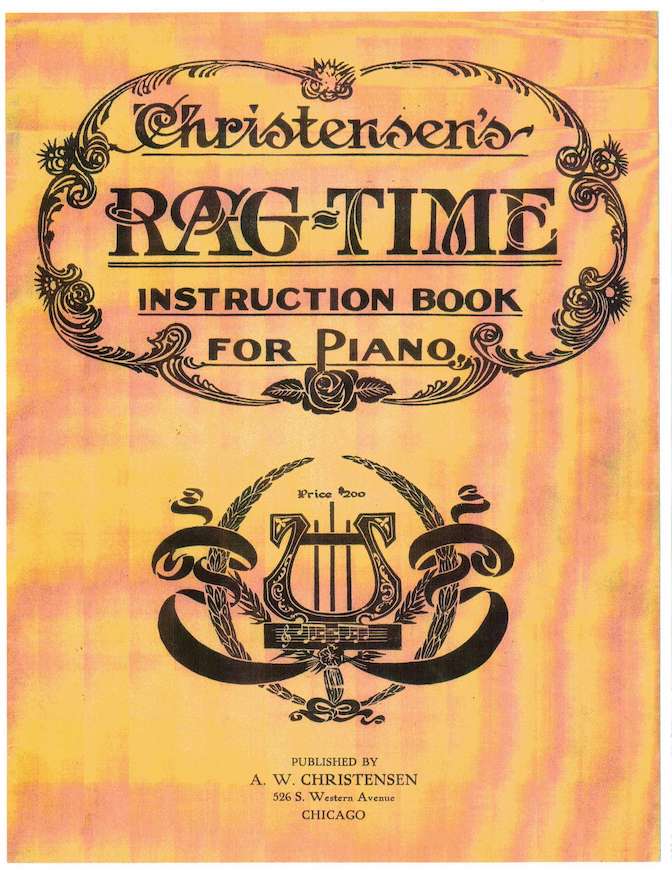
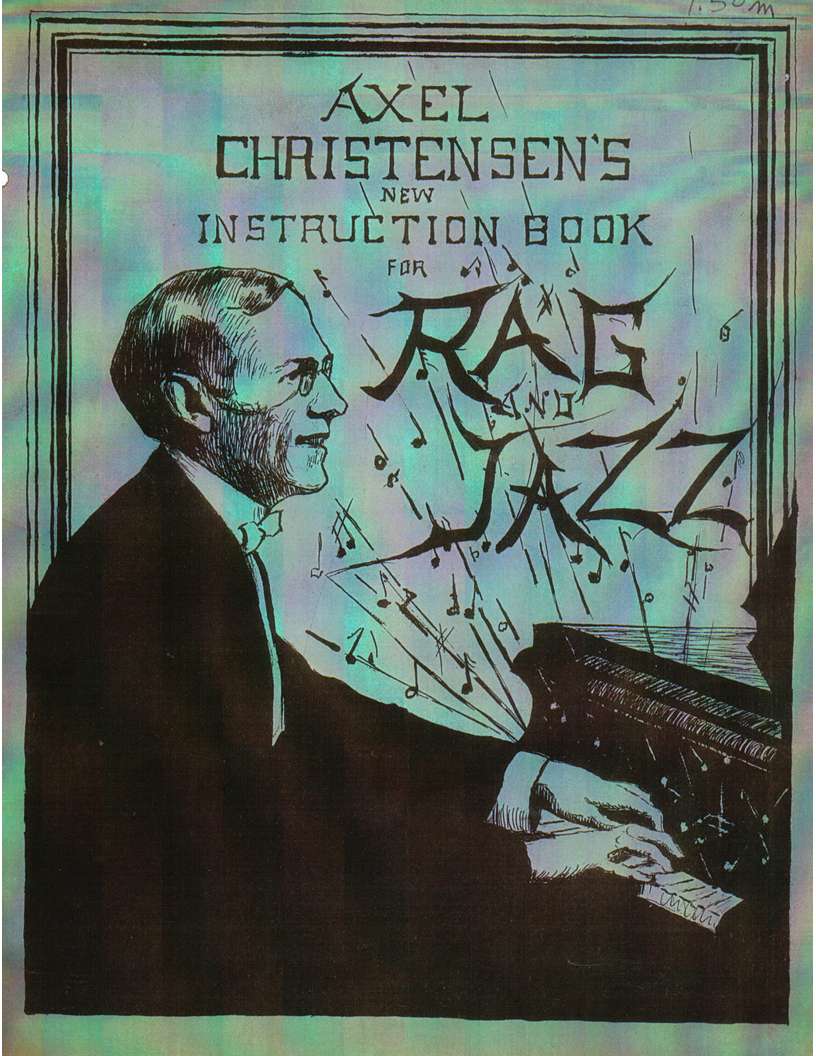
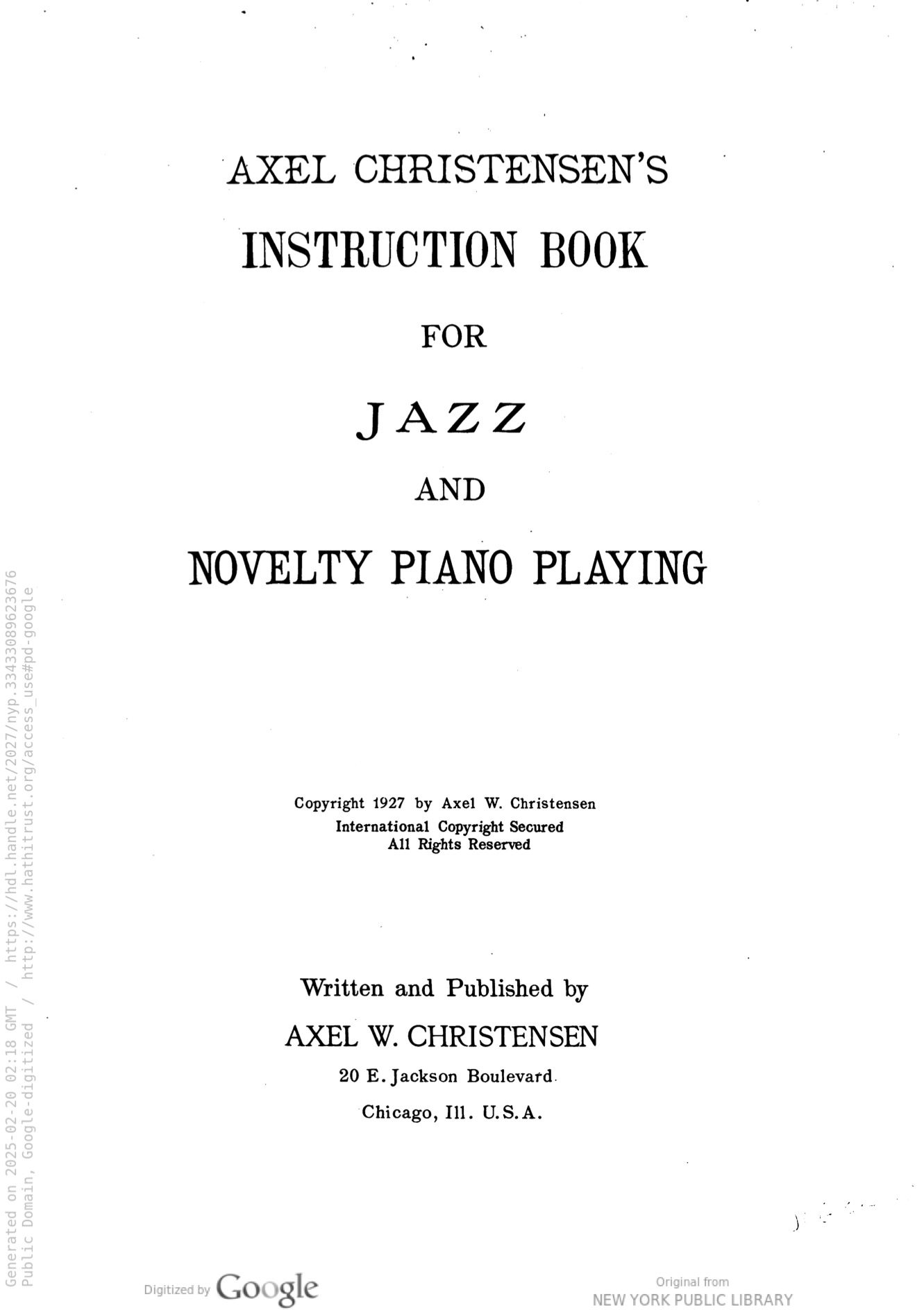
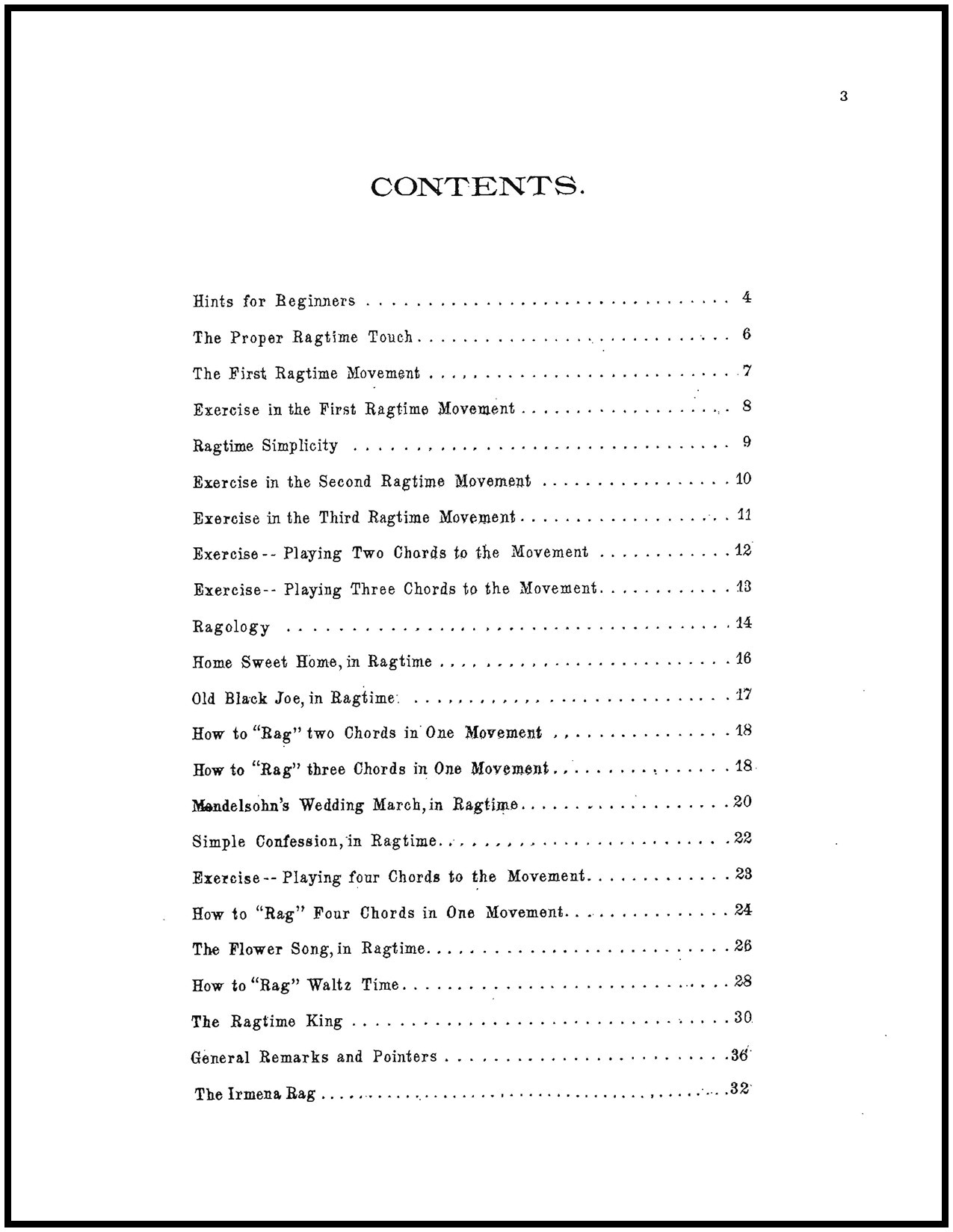
In addition to operating a franchise of ragtime piano instruction schools throughout the United States, Axel Christensen also cashed in through the publication and sale of instruction manuals that were marketed as self-study correspondence teaching materials for students, particularly for those persons who did not live in a city with a Christensen school. Because Christensen appeared to have updated his teaching manuals periodically and created new ones, it is difficult to track and compile a complete listing of these manuals. For now, I set out below two such manuals: Christensen's Rag-Time Instruction Book For Piano (circa 1909) and Axel Christensen's New Instruction Book for Rag and Jazz (circa 1920). The dates of publication for these manuals are based on the latest copyright date at the front of each manual. Notice how with the later manual below – circa 1920 – that Christensen is now capitalizing on the jazz trend (by including "Jazz" in the title of his manual).
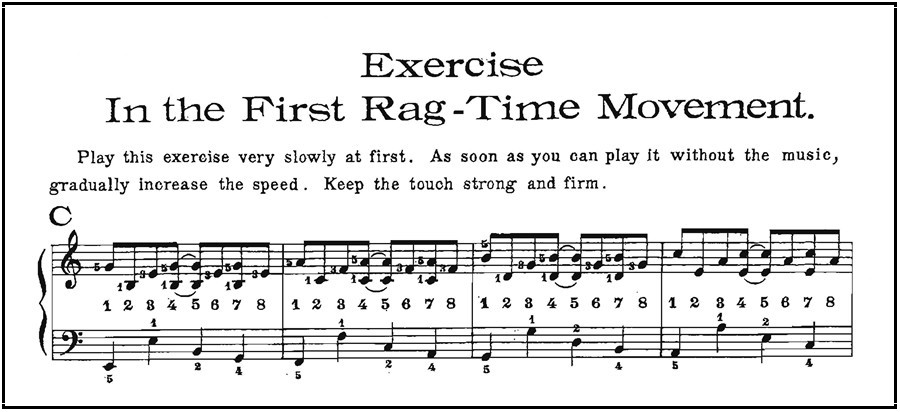
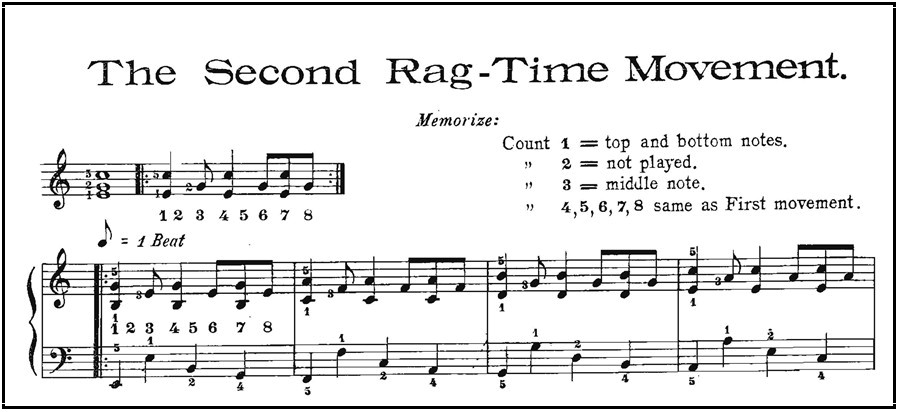
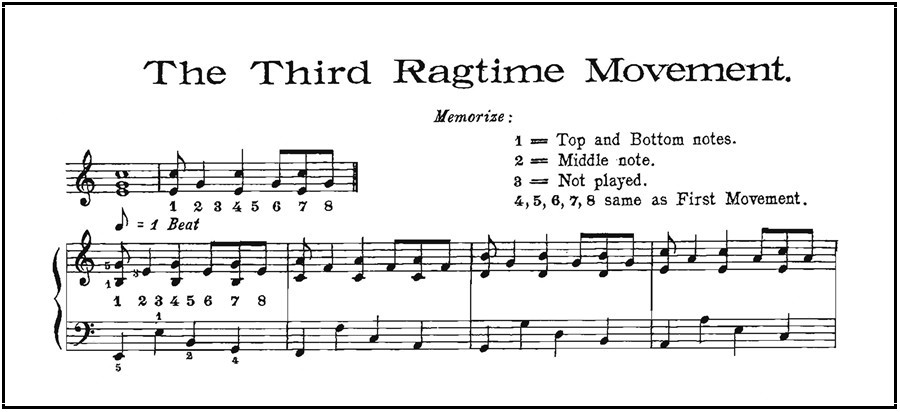
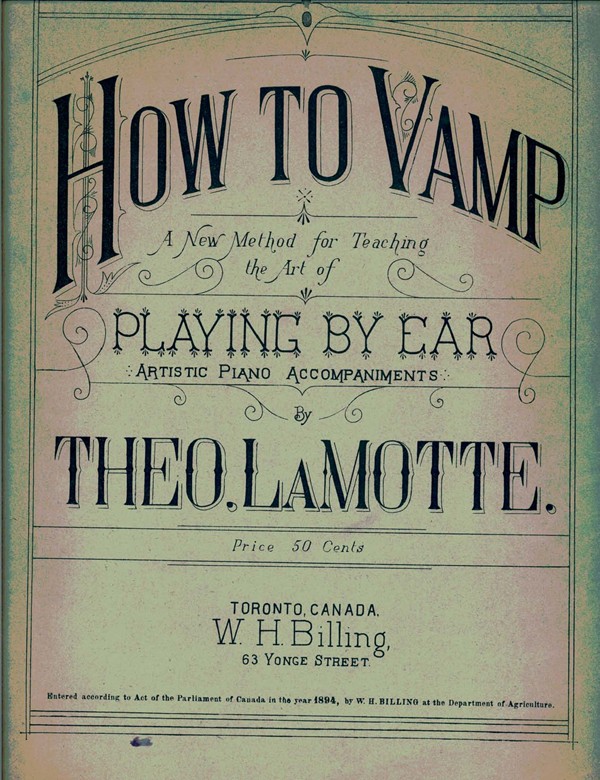
Christensen's first "rag-time movement" (below) is one of the more common rhythms associated with ragtime: The second "rag-time" movement" is also a commonly used pattern in ragtime piano: Likewise, the third "rag-time movement" is a variation of the previous movements and commonly employed by ragtime composers: Christensen was not the only ragtime personality to publish self-instruction manuals. One interesting pre-ragtime era teaching manual I came across was a Canadian publication from 1894 entitled How to Vamp: A New Method of Teaching the Art of Playing by Ear by Theodore La Motte:
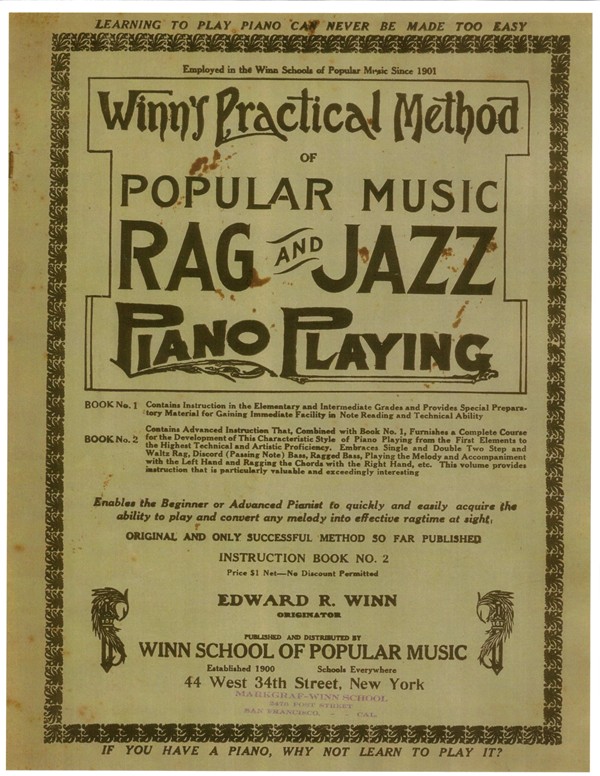
The first purely ragtime instruction manual appears to have been published by Edward Winn in early 1900. The version of Winn's manual below is from 1915:
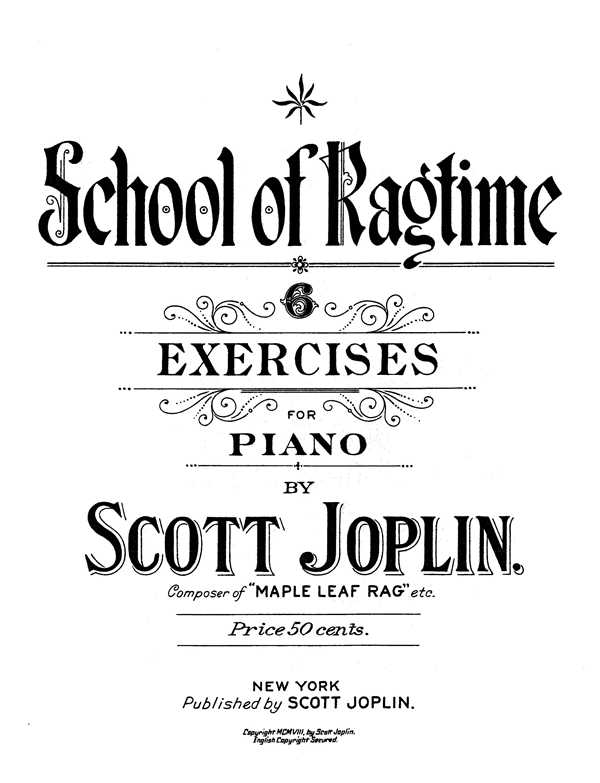
Scott Joplin published his School of Ragtime in 1908. It is not nearly as extensive or lengthy as Christensen's manuals since Joplin only sets outs six ragtime exercises, with brief comments:
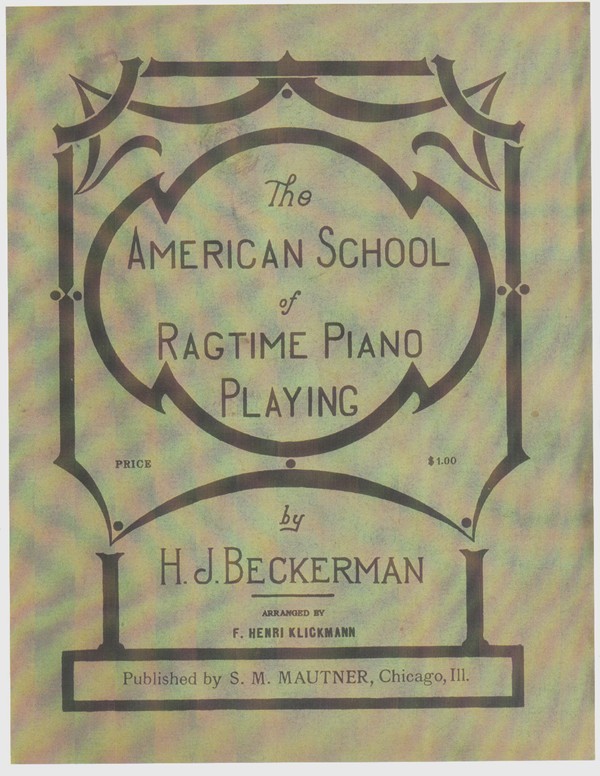
I recently acquired the following ragtime instruction manual by HJ Beckerman (with ragtime composer F Henri Klickmann editing the exercises):
Also from the ragtime-era are the following two instruction manuals (neither of which I have been able to locate):
Finally, there are two current ragtime composers who have published their own ragtime instruction manuals:
[return to Table of Contents] [top]
|
|||||||||||||||||||
|
This site created by Ted Tjaden. Page last updated: January 2026. |