| |
"On the Pike" with
the Rags of James Scott
Featuring Frog
Legs Rag (1906) and Other Piano Rags by
James Scott
By Ted Tjaden
(originally published June 2006 and
updated periodically)
Recommended reading:
|
Scott DeVeaux & William
Kenney, eds, The Music of James Scott
(Washington, DC: Smithsonian Institution
Press, 1992).
|
James Scott is rightfully regarded as one of the "Big
Three" in classic ragtime piano, along with Scott Joplin and Joseph Lamb. His piano rags, the
majority of which were published with Joseph Stark,
have stood the test of time in their musicality,
harmonies and playability. He is known for his
expansive use of the keyboard and a "call and
response" style melody (where he repeats one or two
bars of the melody one octave higher). Set out below
on this page is more information on James Scott,
including links to all of his published ragtime
compositions (for free).
1) Life of James Scott
2) Sheet Music of James Scott
3) Commercial Recordings of
James Scott Compositions
4) Bibliography
1) Life of
James Scott (February 12, 1885 — August 30, 1938)
James Scott's life has been well-documented in the
various bibliographic sources below,
starting initially with Blesh and Janis in They All Played Ragtime,
then DeVeaux and Kenney in The
Music of James Scott, through to Jasen and
Jones in That American Rag.
As such, set out below is only a brief overview
of the significant events in his life (with most of
the citations attributed to VanGilder,
although much of this information is repeated
throughout many of the sources below):
- James Sylvester Scott was born February 12, 1885,
in Neosho, Missouri,
to parents who were former slaves. He had an older
sister (Lena) and was an older brother to each of
Douglas, Howard, Bessie and Oliver, all of whom were
also born in Neosho.
- VanGilder (1985:137-38)
describes Neosho in the 1880's as a "rustic village"
in the process of emerging from frontier status with
tree-lined, unpaved streets (the city is located in
the southwestern corner of Missouri). The town also
had several hotel bars and saloons where one of the
black entertainers – John Coleman – performed and
later gave piano lessons to young "Jimmy" Scott. VanGilder (1985:138)
describes this training as "thirty formal lessons in
classical piano technique with application to the
developing idiom to be known as ragtime."
Apparently, Scott had perfect pitch where he could
"hear full chords and repeat them at will" (VanGilder 1985:138).
- James Scott also learned music from his mother who
played all types of folk and African-American music
without the benefit of formal training. The family
initially did not have their own piano, so the young
Scott practiced on neighbours' pianos: Blesh and Janis (1966:113).
- The Scott family moved to Ottawa, Kansas,
circa 1899, to join relatives for a brief period of
time, where Scott had access to a reed pump organ
that he used to write his first composition. When
the family moved to Carthage,
Missouri, circa 1901, they brought the organ
with them. Later, Scott's father bought a used
upright piano for the family.
- As a youth, Scott was known to attend at the
Lakeside Amusement Park in Webb City, where he would
"sit in" between dance sets at the pavilion and be
cheered by older performers (VanGilder
1985:139).
- To earn income, Scott worked for a while as a
shoeshine boy for a Carthage barber; he also played
for tips at several Carthage saloons (VanGilder 1985:139):
Scott was described as sitting at the keyboard
with his left leg wrapped around a leg of the
stool or bench and bouncing up and down with the
beat as he played, his short, square-tipped
fingers literally flying over the keys as he
attempted to squeeze the greatest number of
tones into the space of each beat. When thus
occupied, he was lost to the world and the
sordid atmosphere around him ....
- In 1902, Charles Dumars of the Dumars Music
Company hired Scott as a general helper, but when
Dumars heard Scott playing piano in the back room,
Scott was re-assigned to being a song plugger,
which, according to VanGilder
(1985:140), resulted in increased sales and people
flocking to the store to hear Scott play. Scott also
performed at the Delphus Theater and Lakeside Park
in addition to performing in a trio (VanGilder 1985:140).
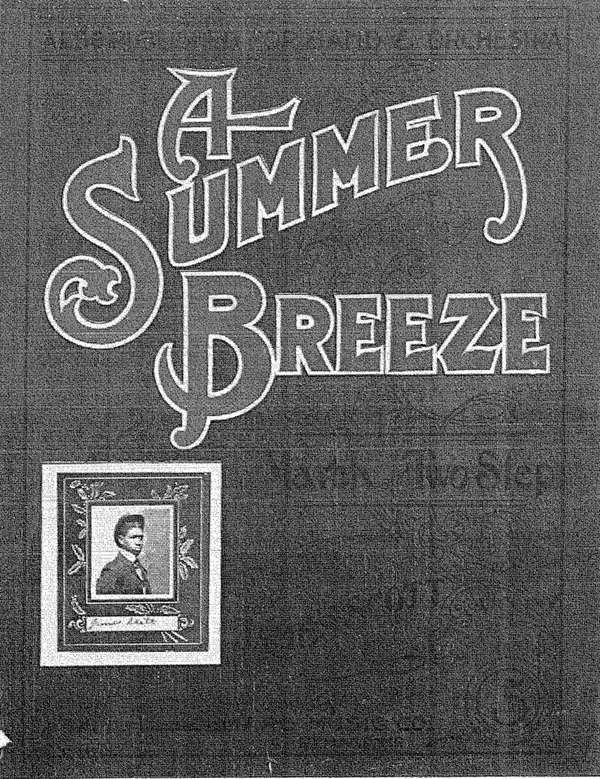
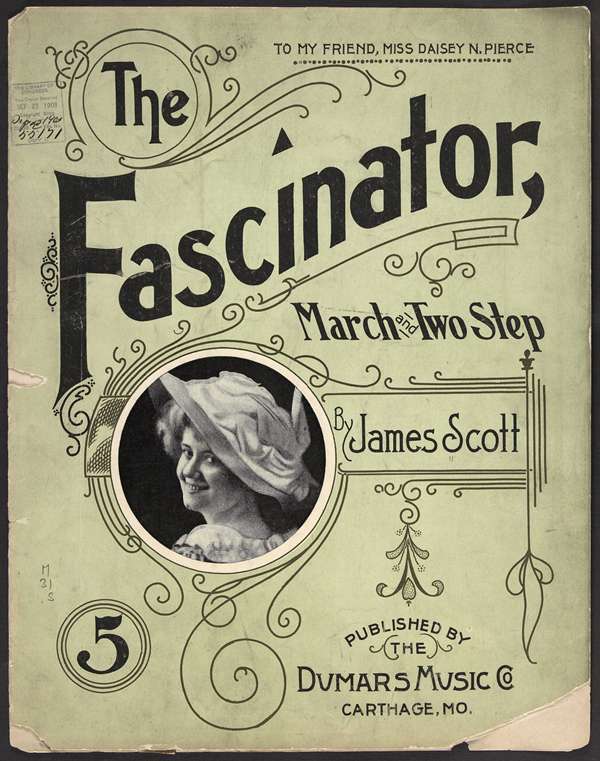
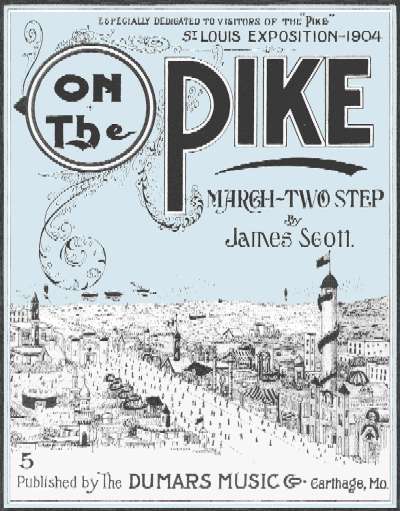
- Dumars published Scott's first three rags: A
Summer Breeze: March and Two-Step (March
14, 1903) (below), The
Fascinator: March and Two Step
(September 23, 1903) (below),
and On the Pike (April 13,
1904) (below).
|
|
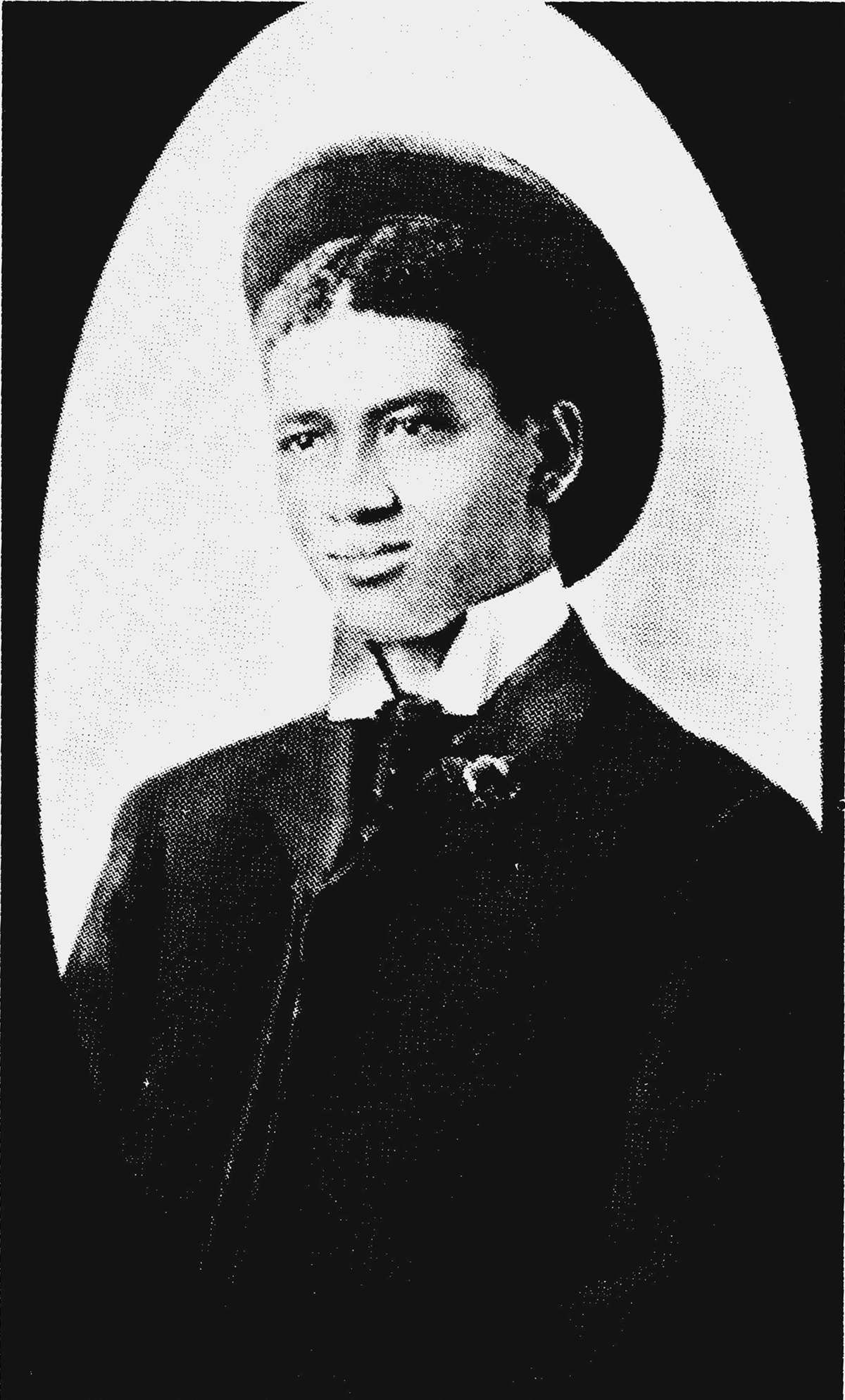
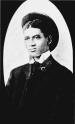
Photograph of James
Scott, circa 1904.
This is one of the few
photographs of James Scott as a young man
used in a number of sources in the
bibliography below, with the source of the
photo originally attributed to one being
in the possession of Rudi Blesh.
|
- In 1906, James Scott met Scott Joplin in St Louis,
a meeting that has caused some scholars to
reasonably speculate that Joplin played a mentoring
role in influencing the young James Scott due to the
fact that James Scott's compositions grew slightly
more complex after 1906: VanGilder
(1985:140). Scott Joplin's primary publisher, John
Stark, also became a publisher of James Scott's
compositions, publishing the successful Frog
Legs Rag (below) in
1906.
- VanGilder (1985:140)
describes the young James Scott as "small in stature
and emotionally introverted" but a celebrity
nonetheless who maintained his small town roots.
- As mentioned by VanGilder
(1985:141), 1909 was a banner year for James Scott
(age 24) with the publication of 7 compositions,
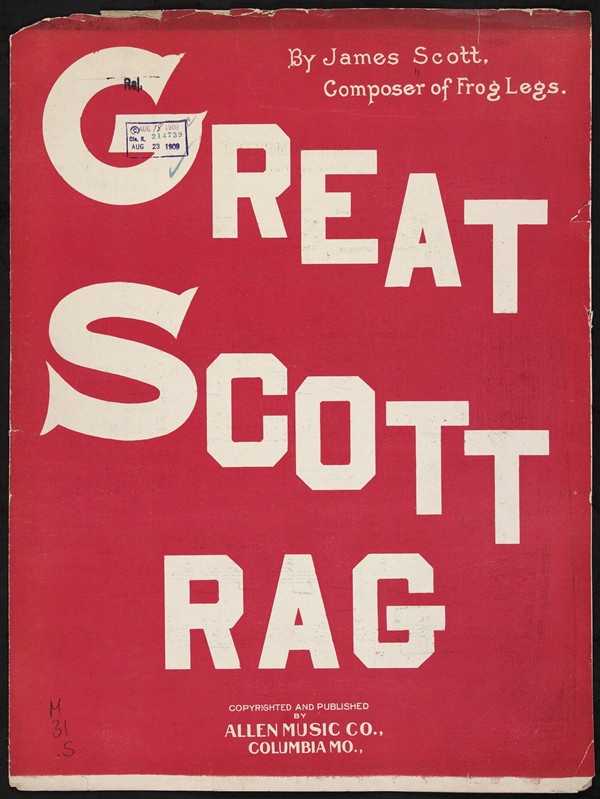
including Grace and Beauty (below) and Great Scott
Rag (below).
- Apparently, James Scott submitted his compositions
to John Stark untitled: Blesh and
Janis (1966:117).
- In the mid 1910's, James Scott continued to
successfully publish a number of interesting rags
with John Stark. He also started teaching. By around
1920, James Scott, and his wife Nora Johnson, moved
to Kansas City, Kansas, where he set up a private
teaching studio and installed a new grand piano,
described as his most cherished possession in his
life: VanGilder
(1985:142). He became to be known as the "Little
Professor."
- As mentioned by Blesh and Janis
(1966:119), James Scott lived in Kansas City from
1914 to 1938, as did white ragtime composer Charles L Johnson, but the
two men apparently never met.
- James Scott was a cousin to Ada Brown, a famous
vaudeville performer from Kansas City, Kansas.
- In the early 1920's, James Scott worked as a
pianist in a Kansas City movie house and later
joined a seven-piece orchestra that provided music
for movies and touring vaudeville companies: VanGilder (1985:143).
- Unfortunately, the 1930's appeared to bring tough
times for James Scott. Talking moving pictures and
the passing of the ragtime era left fewer
opportunities for Scott, save for playing in an
orchestra for various dances. The passing of his
wife was also hard on him (they had no children). VanGilder (1985:143)
documents that Scott changed residences 4 times in
the last eight years of his life.
- James Scott died on August 30, 1938, in Kansas
City, Kansas, at the age of 52. VanGilder (1985:143)
documents that the graves of James Scott and his
wife went unmarked and abandoned for more than 40
years until a local group raised funds and dedicated
a headstone marking the graves in 1981.
- Jasen and Tichenor (1989:112)
sum up the impact of the music of James Scott in
these terms:
Whereas Joplin synthesized nineteenth-century
European classicism with Mississippi Valle
Afro-American folk roots, Scott synthesized the
folk tradition with his professional career in
popular and jazz music. This resulted in a
developmental feeling in his rags, a spirit more
characteristic of twentieth-century music to
come, and one step further away from the oldest
concept of ragtime, that of a patchwork of
various different musical ideas. He was
undoubtedly the best keyboard man of the Classic
ragtimers, and loved to punctuate his lyrical
melodies with short, abrupt phrases. Toward the
end of his published writing career, his rags
became more thickly textured with much varied
bass work. Scott, much more than Joplin, was
concerned with exploring the form pianistically
more than emotionally.
2) Sheet
Music of James Scott Compositions
Set out below in chronological order is a complete
list of known compositions by James Scott. All
compositions and sheet music covers are in the public
domain.
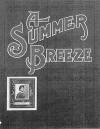 |
James Scott, A Summer Breeze (Carthage,
MO: Dumars Music, 1903).
[view
sheet music] [top]
|
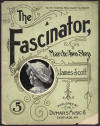 |
James Scott, The Fascinator: March and
Two Step (Carthage, MO: Dumars
Music, 1903).
[view
sheet music]
Source: Cover from Library of
Congress, Music Division [top]
|
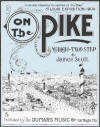 |
James Scott, On The Pike (Carthage,
MO: Dumars, 1904).
[view
sheet music] [top]
|
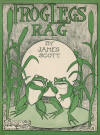 |
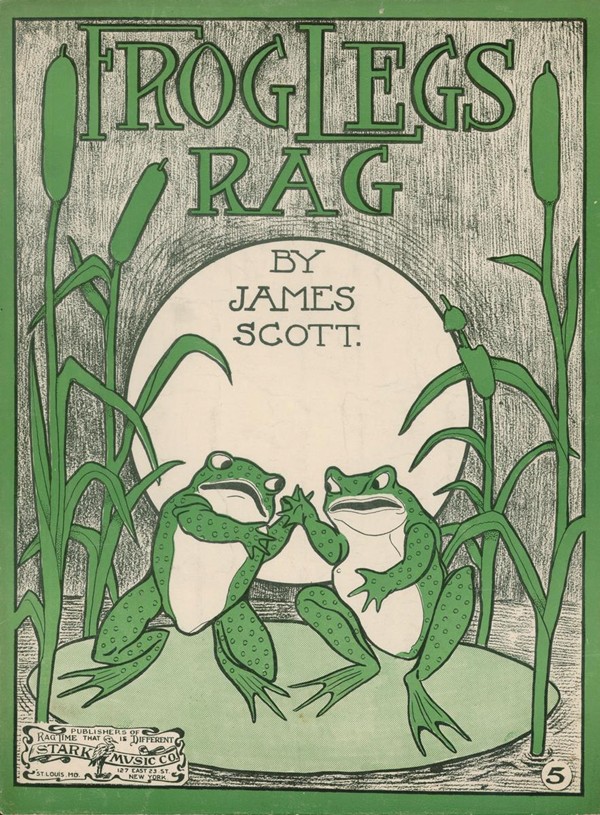
James Scott, Frog Legs Rag (New
York: John Stark & Son, 1906).
[view
sheet music]
Source: Indiana
University Sheet Music Collections [top]
|
 |
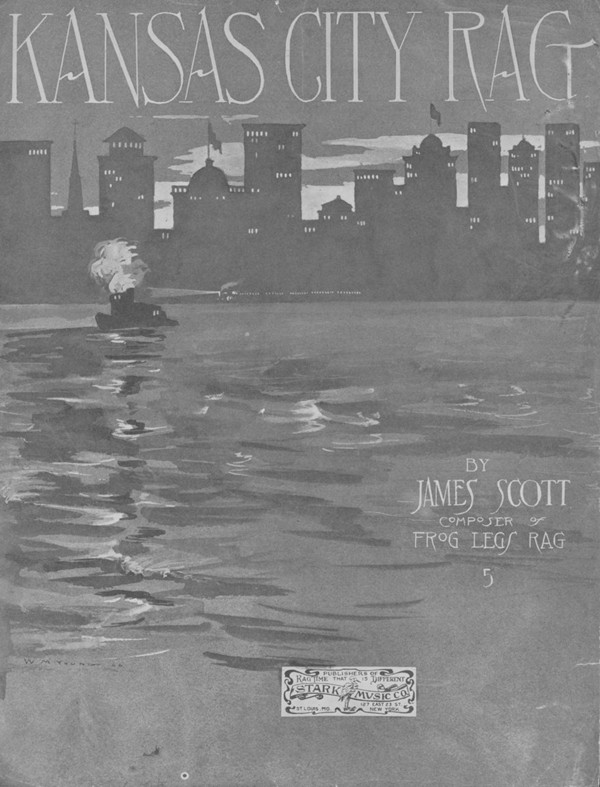
James Scott, Kansas City Rag
(New York: Stark Music Co, 1907).
[view
sheet music]
Source: Indiana
University Sheet Music Collections [top]
|
 |
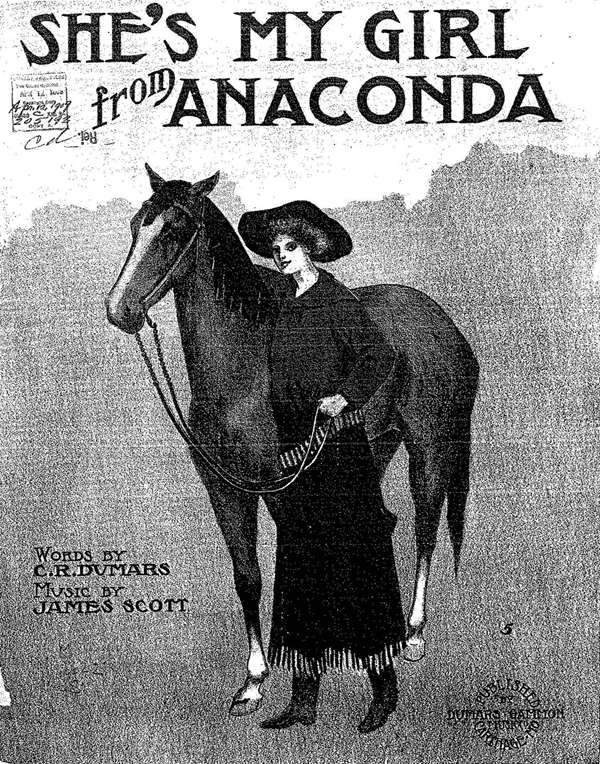
James Scott, She's My Girl From
Anaconda (words by Charles R
Dumar) (Carthage, MO: The Dumars Gammon Music
Co, 1909).
[view sheet
music] [top]
|
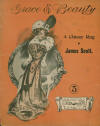 |
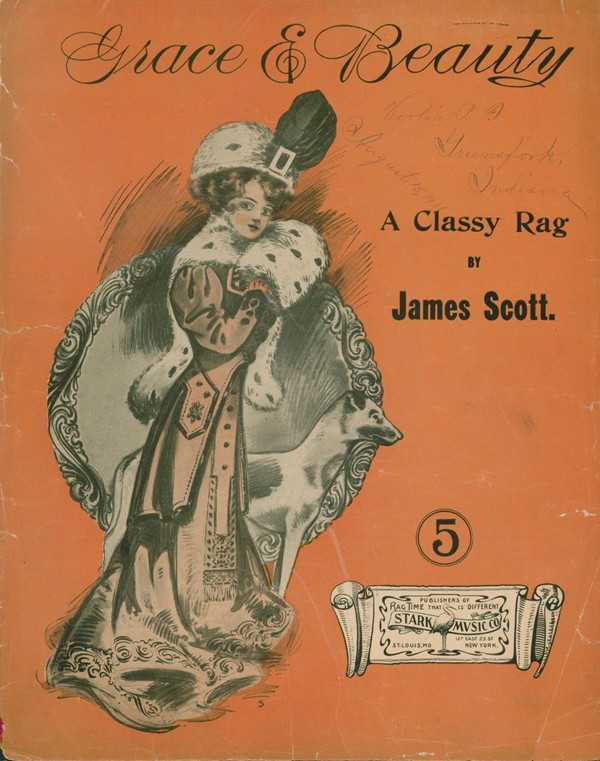
James Scott, Grace And Beauty
(St Louis, MO: Stark Music Co, 1909).
[view
sheet music]
Source: Indiana
University Sheet Music Collections [top]
|
 |
James Scott, Great Scott Rag
(Columbia, MO: Allen Music, 1909).
[view
sheet music]
Source: Cover from Library of
Congress, Music Division [top]
|
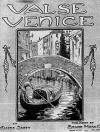 |
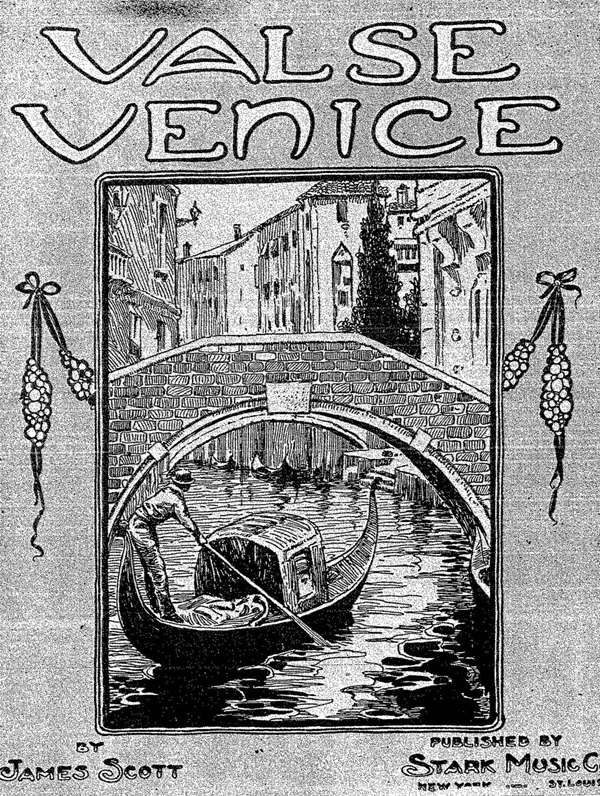
James Scott, Valse Venice (St
Louis, MO: Stark Music Co, 1909).
[view
sheet music] [top]
|
 |
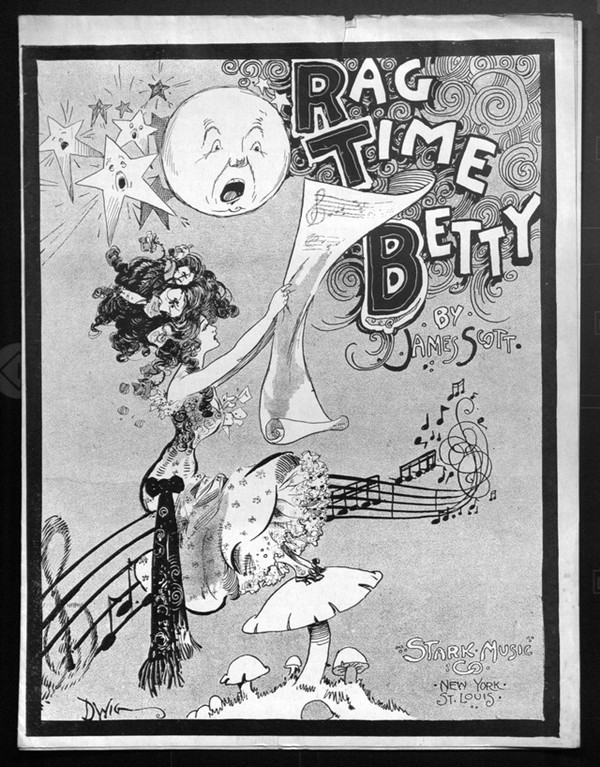
James Scott, The Ragtime "Betty"
(New York: Stark Music Co, 1909).
[view sheet music]
Source: University of
Mississippi State University Libraries
[top]
|
 |
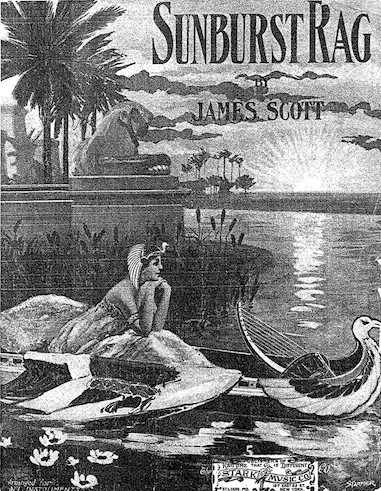
James Scott, Sunburst Rag (New
York: Stark Music Co, 1909).
[view sheet
music] [top]
|
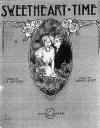 |
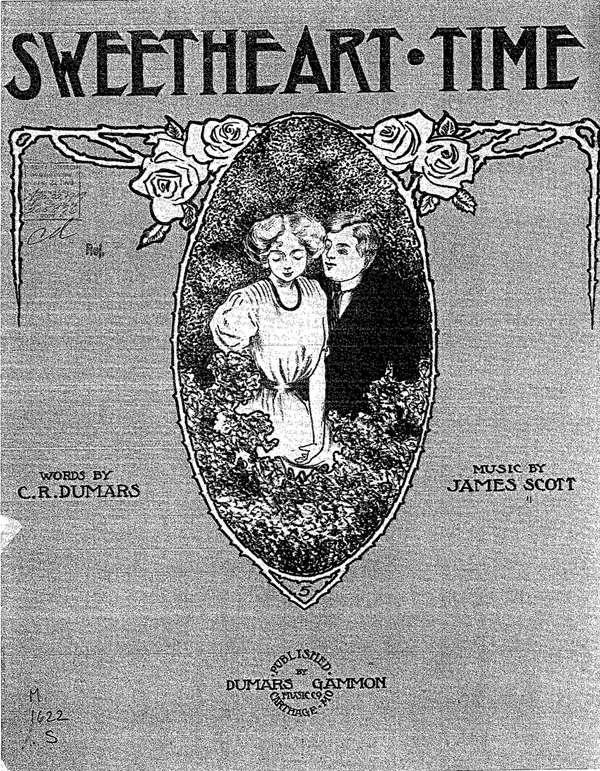
James Scott, Sweetheart Time
(words by Charles Dumar) (Carthage, MO: The
Dumars Gammon Music Co, 1909).
[view
sheet music] [top]
|
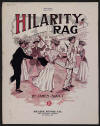 |
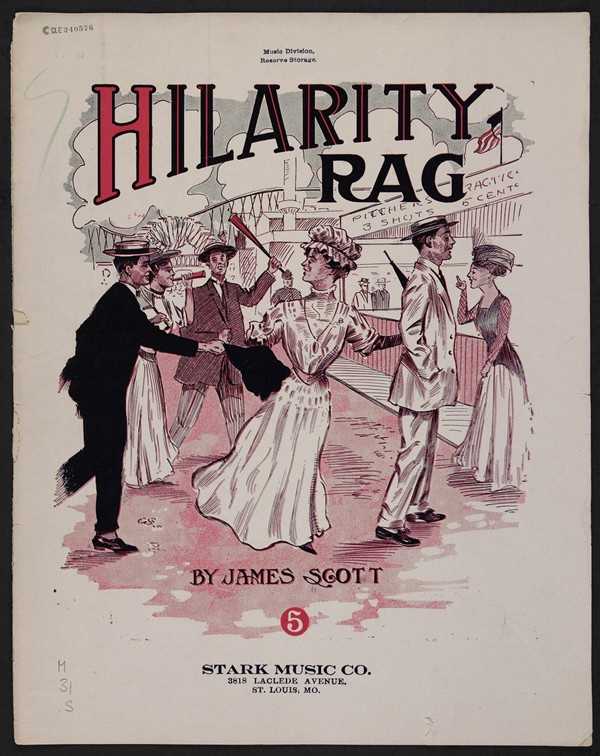
James Scott, Hilarity Rag (St
Louis, MO: Stark Music Company, 1910).
[view sheet
music]
Source: Cover from Library of
Congress, Music Division [top]
|
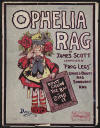 |
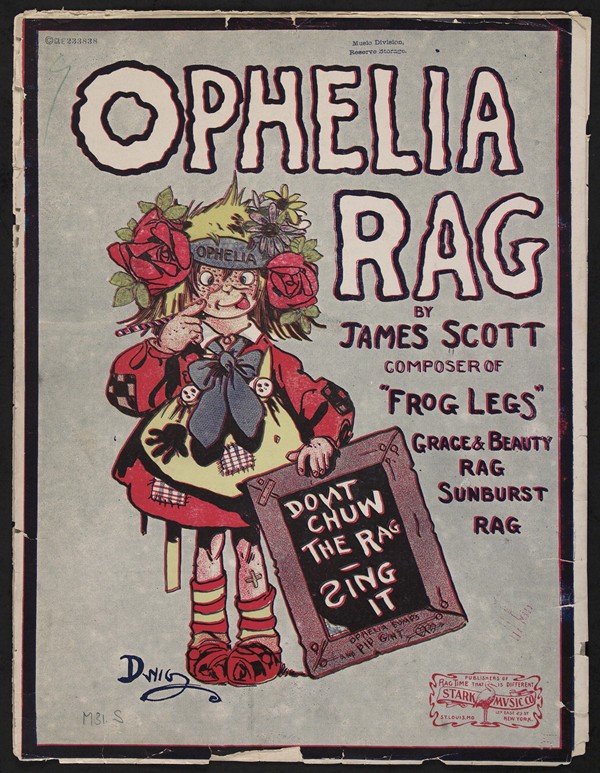
James Scott, Ophelia Rag (St
Louis, MO: Stark Music Company, 1910).
[view sheet
music]
Source: Cover from Library of
Congress, Music Division [top]
|
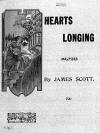 |
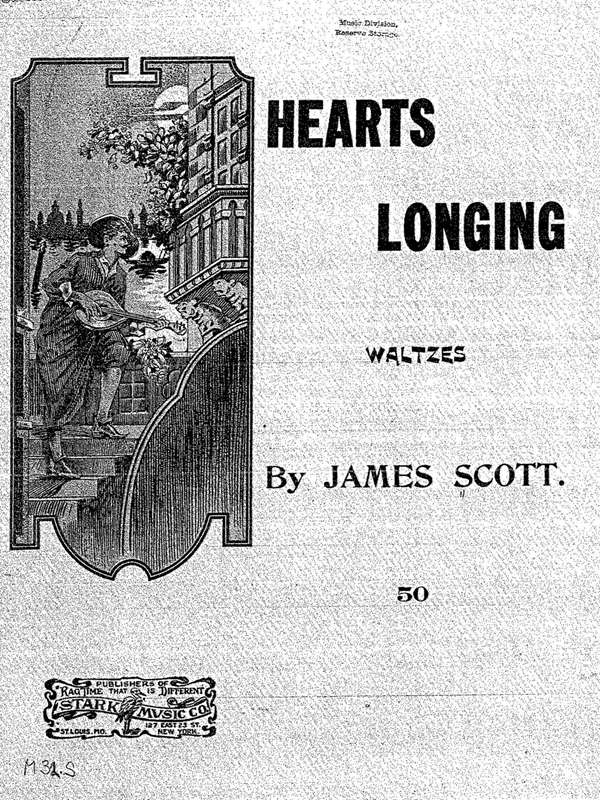
James Scott, Hearts Longing: Waltzes
(St Louis, MO: Stark Music Company, 1910).
[view
sheet music] [top]
|
 |
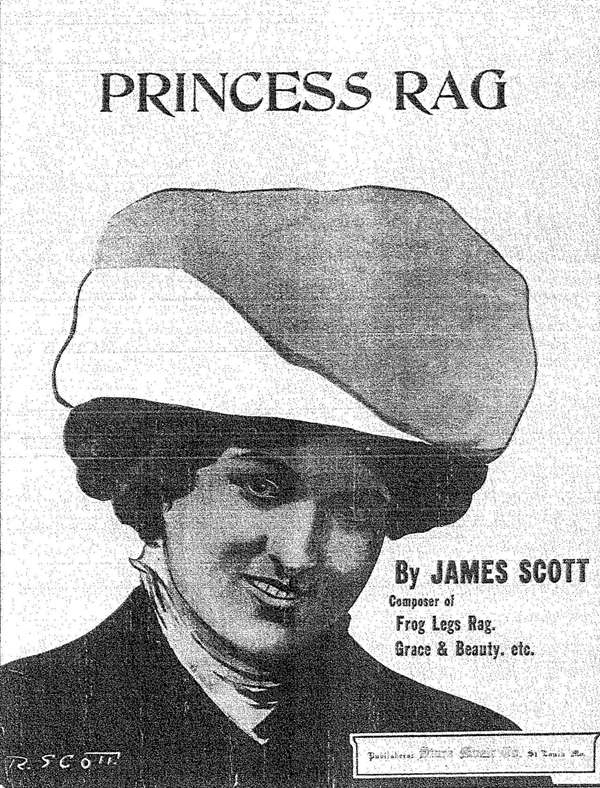
James Scott, The Princess Rag
(St Louis, MO: Stark Music Company, 1911).
[view sheet
music] [top]
|
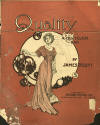 |
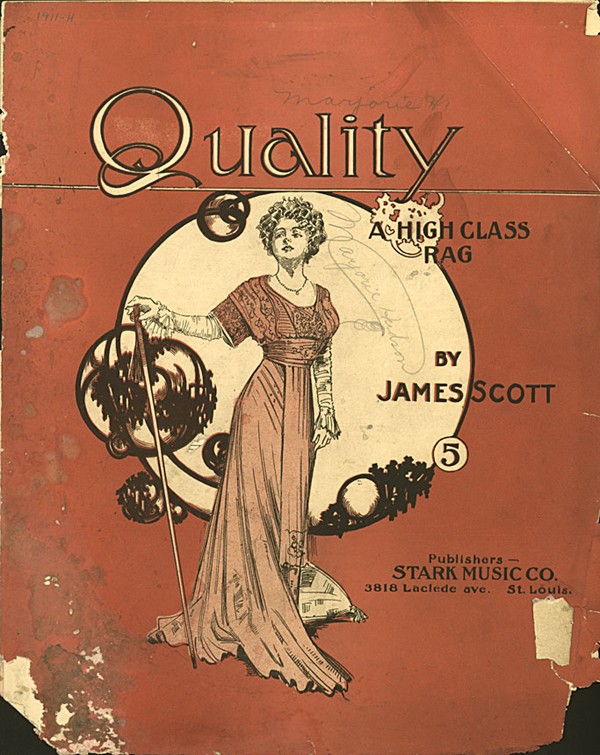
James Scott, Quality Rag (St
Louis, MO: Stark Music Company, 1911).
[view sheet music]
Source:
University of
Colorado Digital Sheet Music
Collection [top]
|
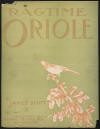 |
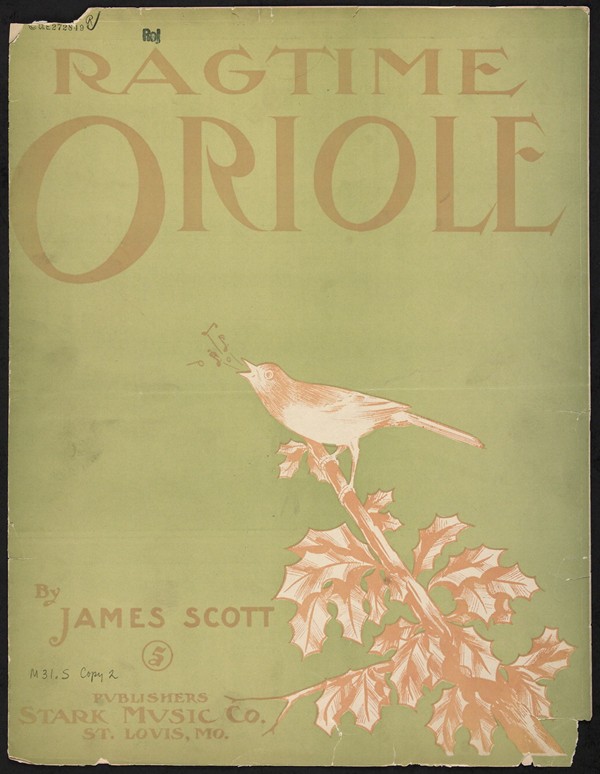
James Scott, Ragtime Oriole
(St Louis, MO: Stark Music Company, 1911).
[view sheet
music]
Source: Cover from Library of
Congress, Music Division [top]
|
 |
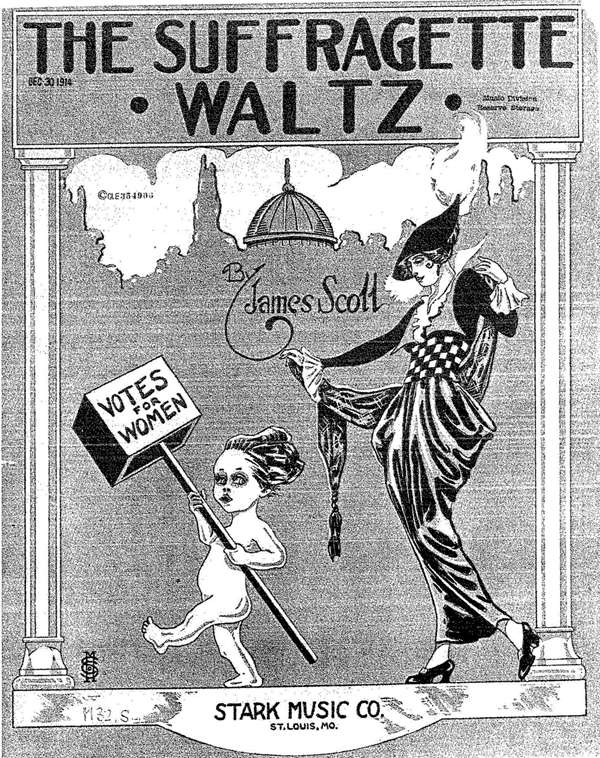
James Scott, The Suffragette Waltz
(St Louis, MO: Stark Music Company, 1914).
[view
sheet music] [top]
|
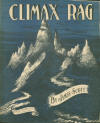 |
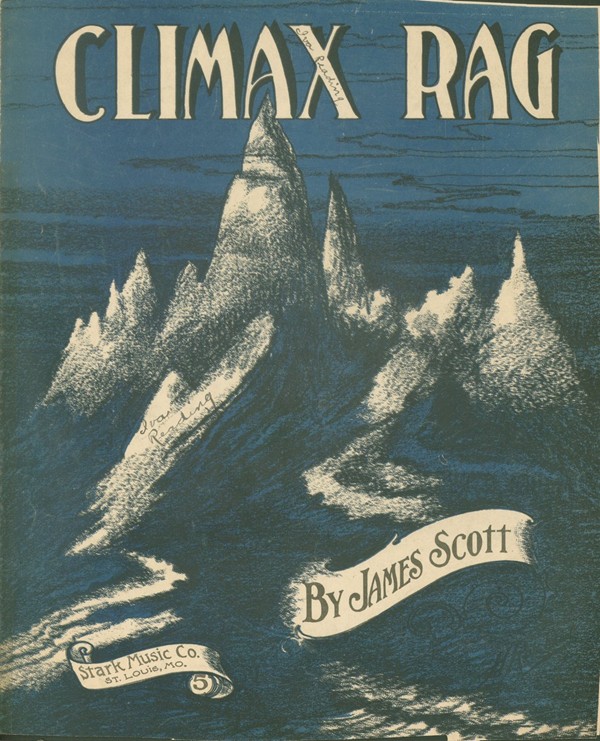
James Scott, Climax Rag (St
Louis, MO: Stark Music Company, 1914).
[view
sheet music]
Source: Indiana
University Sheet Music Collections [top]
|
 |
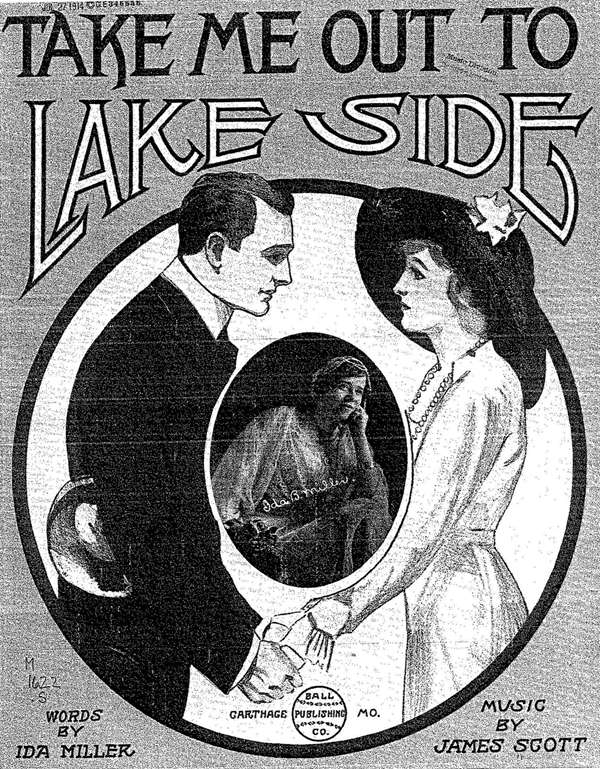
James Scott, Take Me Out To Lakeside
(Carthage, MO: Ball Music Co, 1914).
[view sheet
music] [top]
|
 |
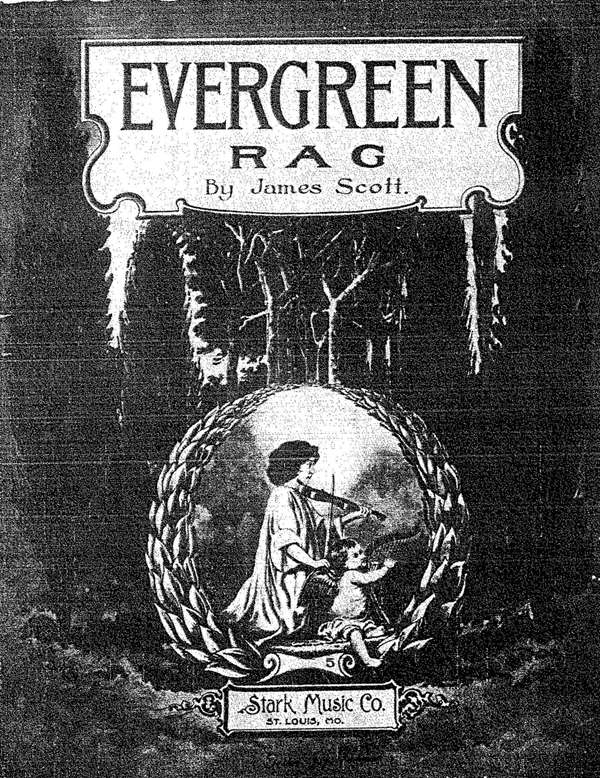
James Scott, Evergreen Rag (St
Louis, MO: Stark Music Company, 1915).
[view
sheet music] [top]
|
 |
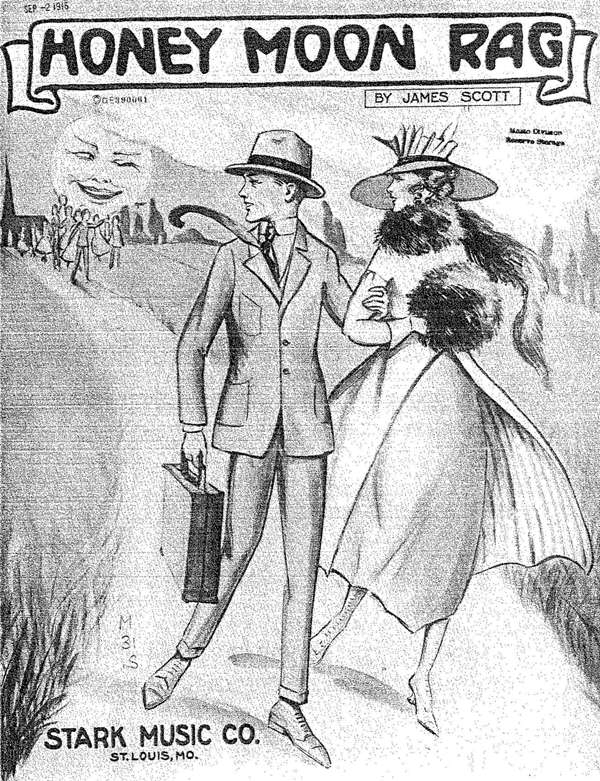
James Scott, Honey
Moon Rag (St Louis, MO: Stark
Music Company, 1916).
[view
sheet music] [top]
|
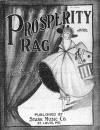 |
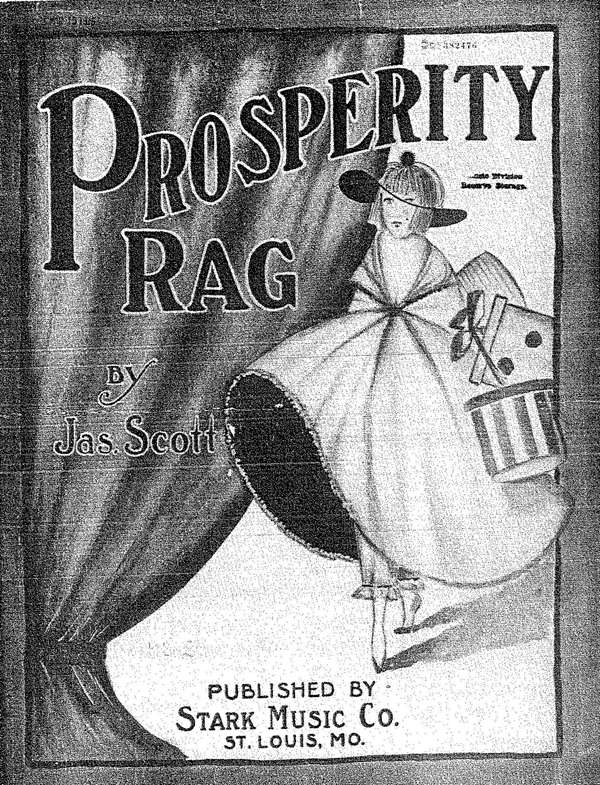
James Scott, Prosperity Rag (St
Louis, MO: Stark Music Company, 1916).
[view
sheet music] [top]
|
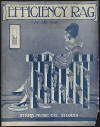 |
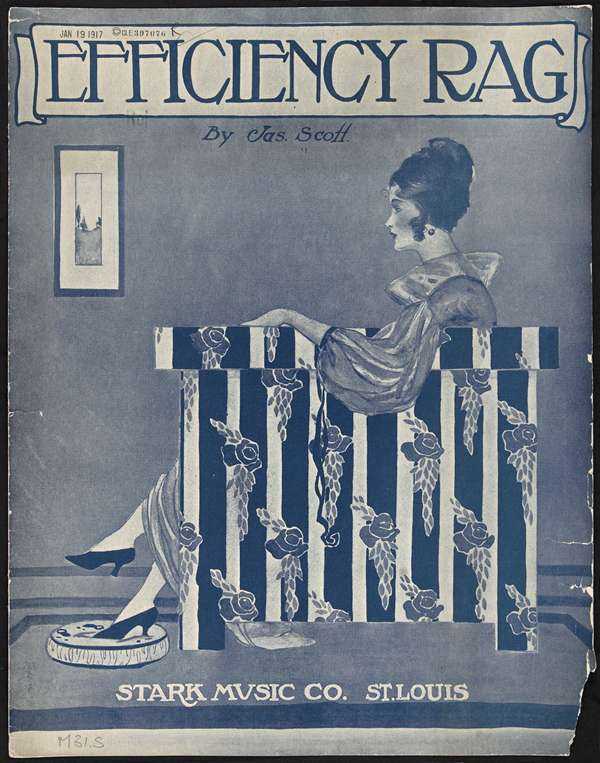
James Scott, Efficiency Rag
(St Louis, MO: Stark Music Company, 1917).
[view
sheet music]
Source: Cover from Library of
Congress, Music Division [top]
|
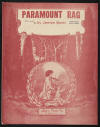 |
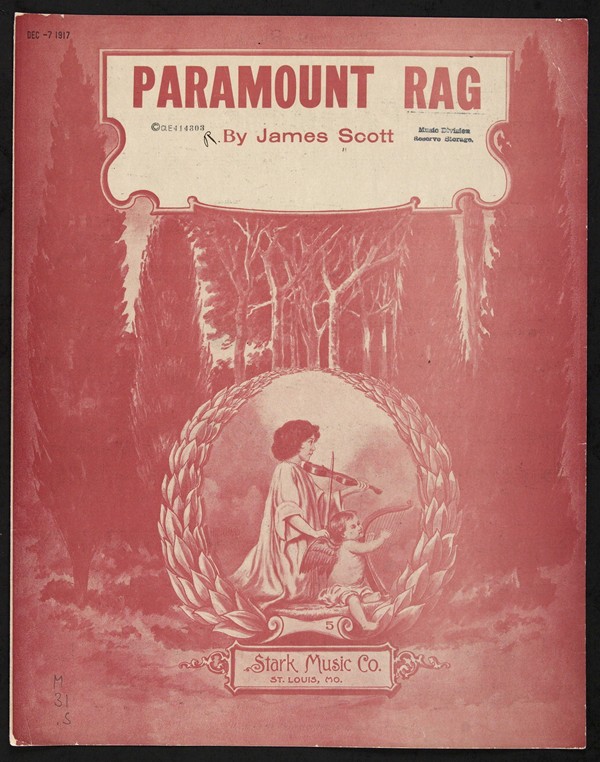
James Scott, Paramount Rag (New
York: Seminary Music, 1917).
[view
sheet music]
Source: Cover from Library of
Congress, Music Division [top]
|
 |
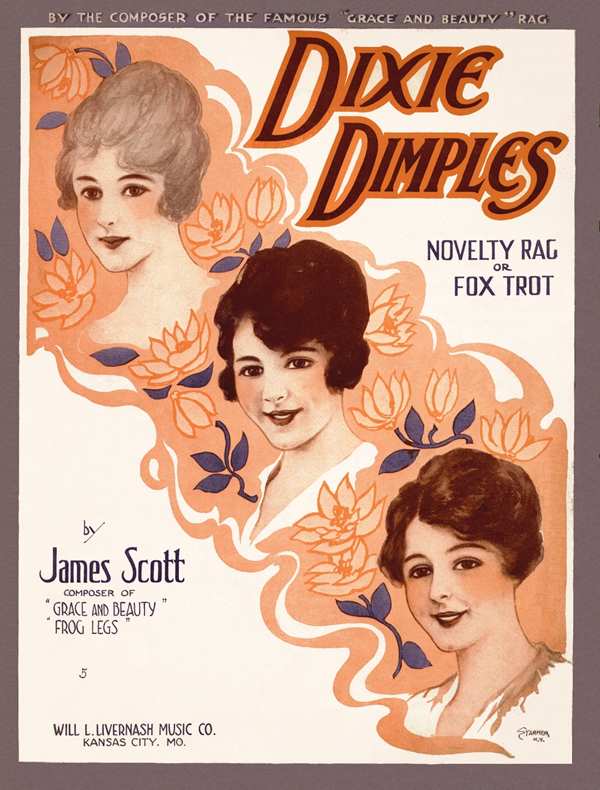
James Scott, Dixie Dimples
(Kansas City, MO: Will L Livernash Co, 1918).
[view
sheet music] [top]
|
 |
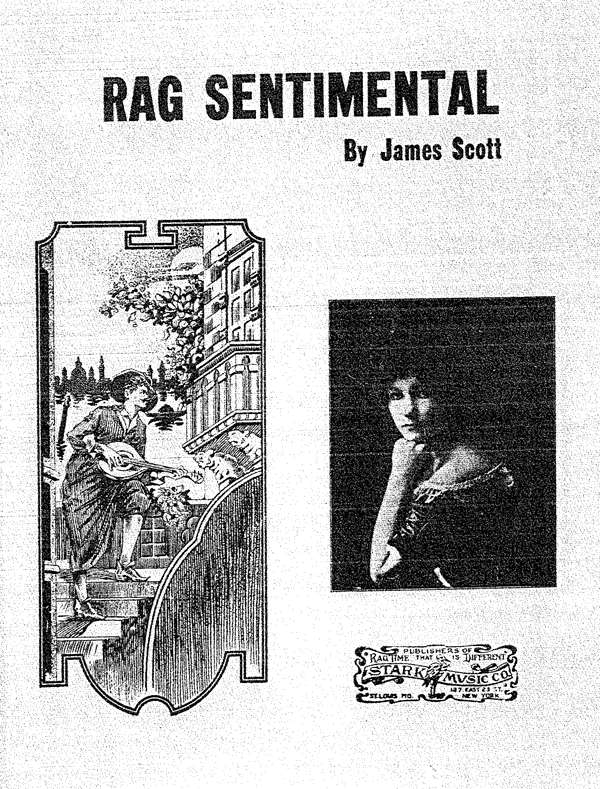
James Scott, Rag Sentimental
(St Louis, MO: Stark Music Company, 1918).
[view sheet
music] [top]
|
 |
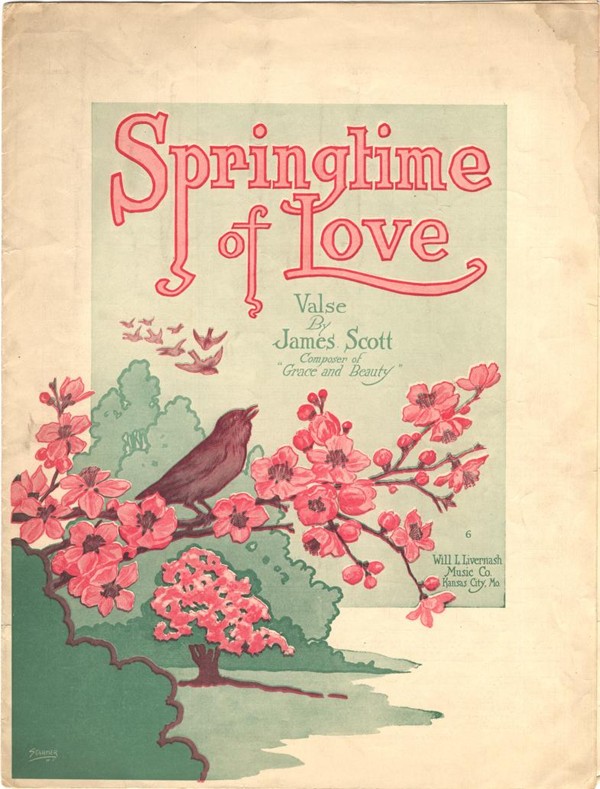
James Scott, Springtime Of Love
(Kansas City, MO: Will L. Livernash Music Co,
1918).
[view sheet
music]
Source: University
of Missouri Digital Library [top]
|
 |
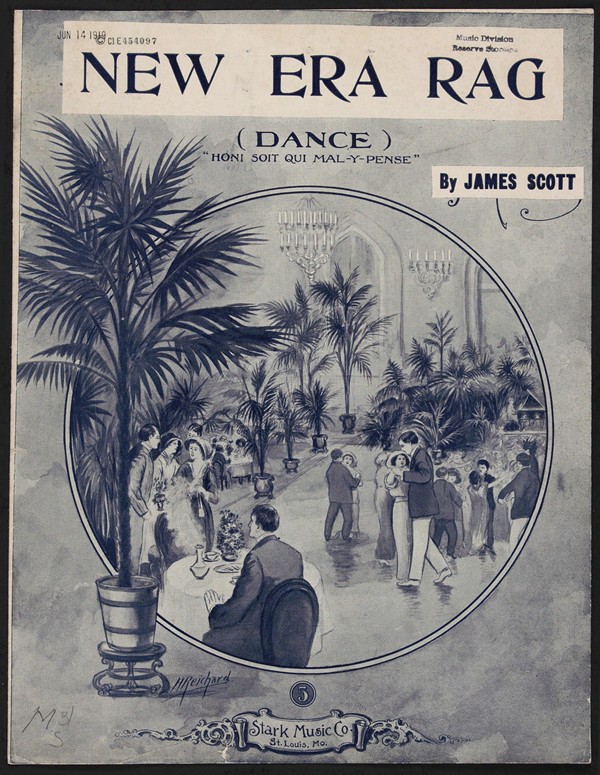
James Scott, New Era Rag (St
Louis, MO: Stark Music Company, 1919).
[view sheet
music]
Source: Cover from Library of
Congress, Music Division [top]
|
 |
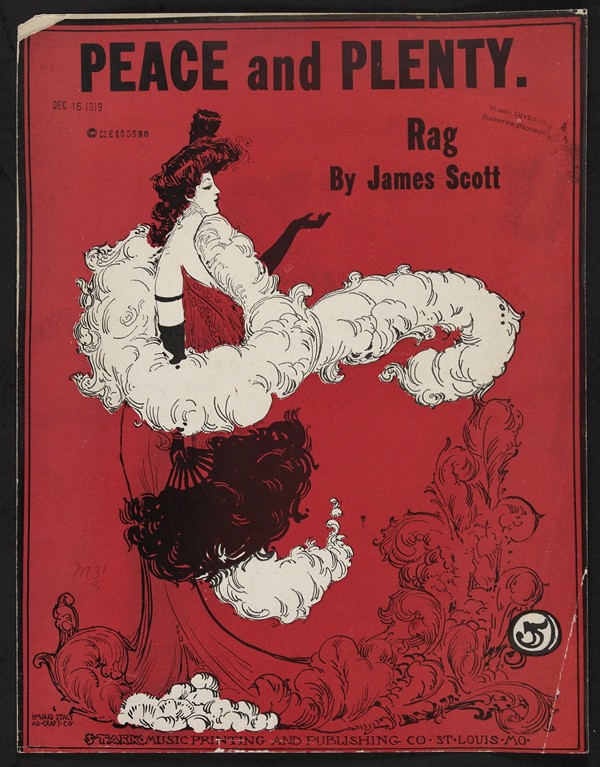
James Scott, Peace And Plenty Rag
(St Louis, MO: Stark Music Company, 1919).
[view
sheet music]
Source: Cover from Library of
Congress, Music Division [top]
|
 |
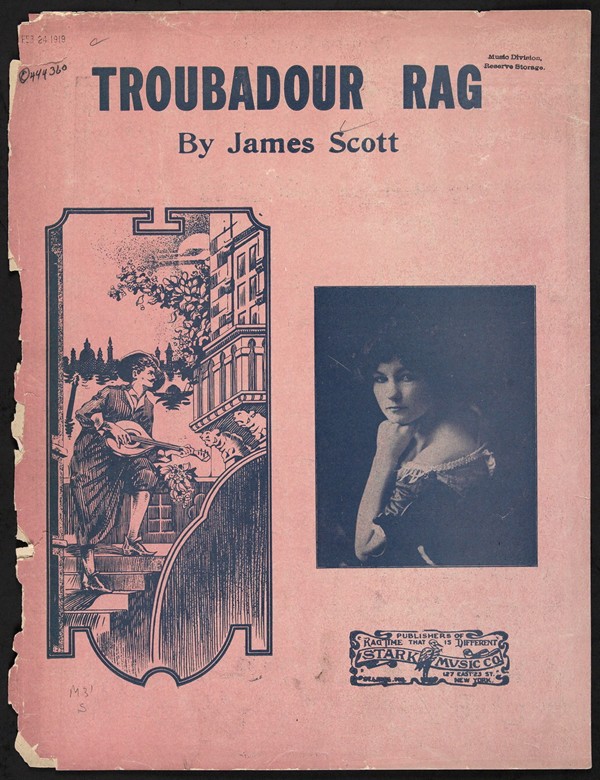
James Scott, Troubadour Rag (St
Louis, MO: Stark Music Company, 1919).
[view
sheet music]
Source: Cover from Library of
Congress, Music Division [top]
|
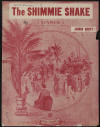 |
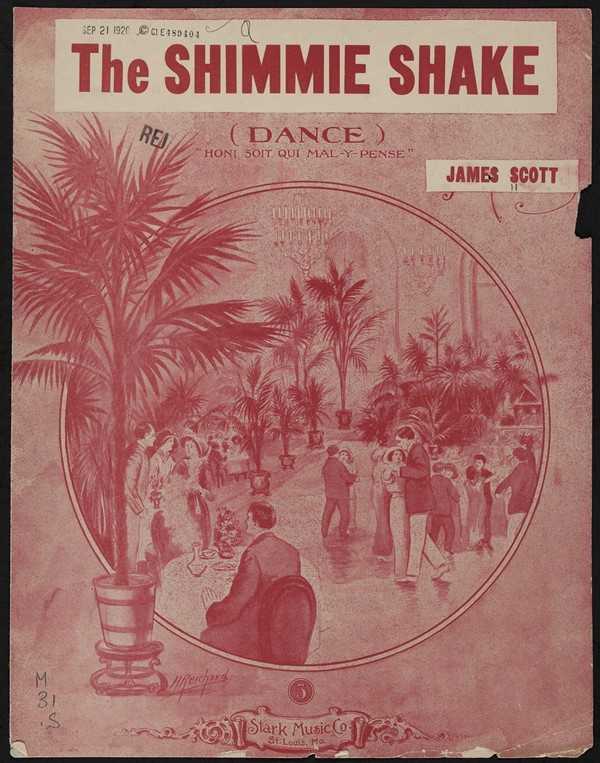
James Scott, The Shimmie Shake
(St Louis, MO: Stark Music Co, 1920).
[view sheet
music]
Source: Cover from Library of
Congress, Music Division [top]
|
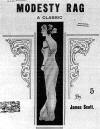 |
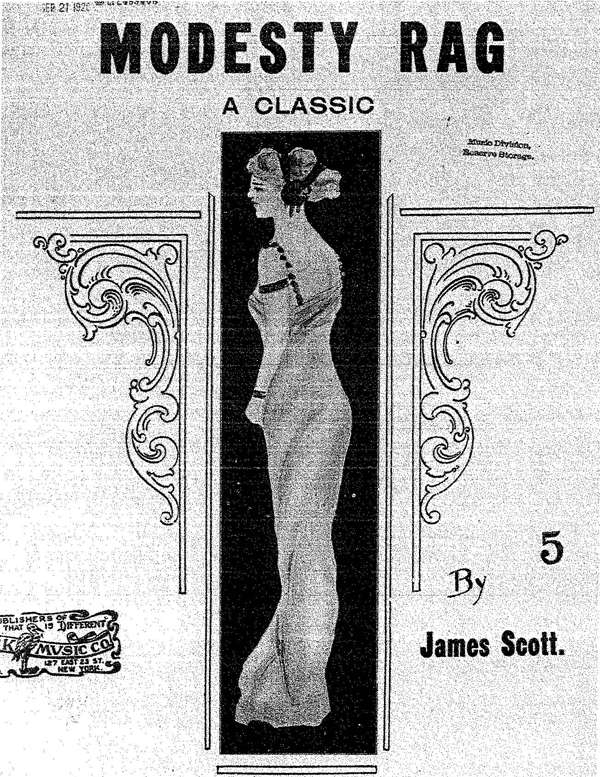
James Scott, Modesty Rag (St
Louis, MO: Stark Music Company, 1920).
[view sheet
music] [top]
|
 |
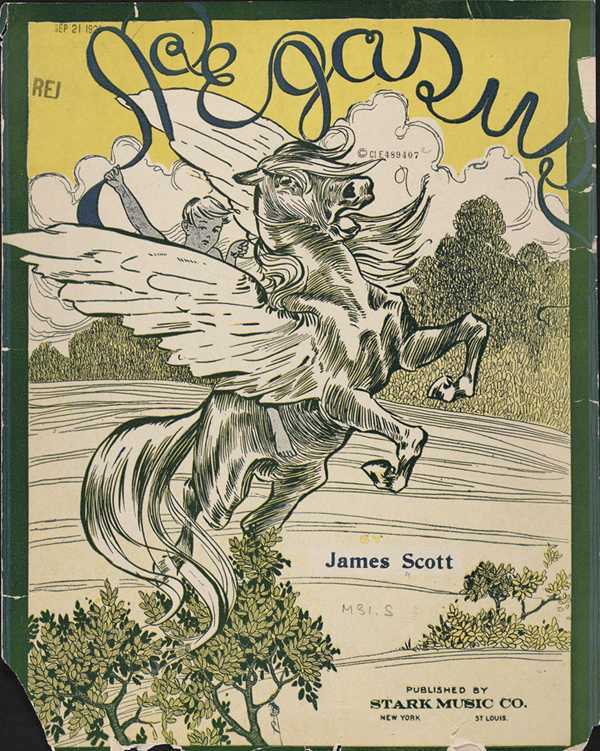
James Scott, Pegasus
(St Louis, MO: Stark Music Company, 1920).
[view sheet
music] [top]
Source: Cover from Library of
Congress, Music Division [top]
|
 |
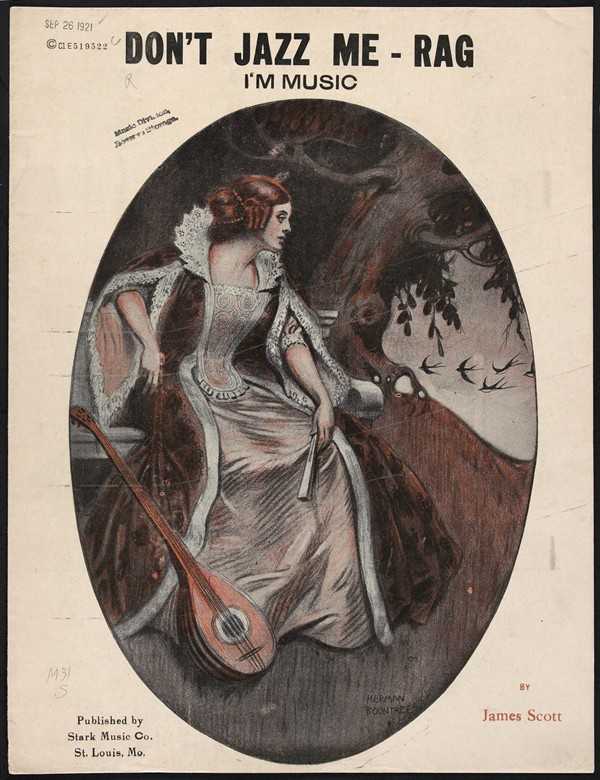
James Scott, Don't Jazz Me Rag (I'm
Music) (St Louis, MO: Stark Music
Company, 1921).
[view sheet
music]
Source: Cover from Library of
Congress, Music Division [top]
|
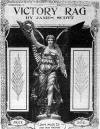 |
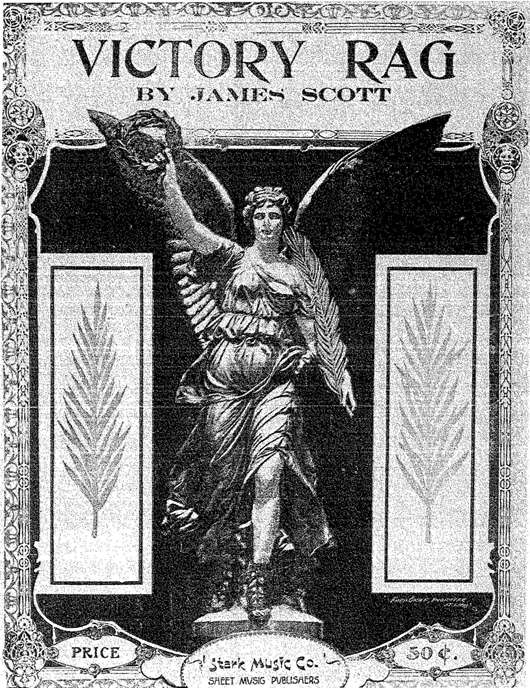
James Scott, Victory Rag (St
Louis, MO: Stark Music Company, 1921).
[view sheet
music] [top]
|
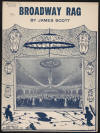 |
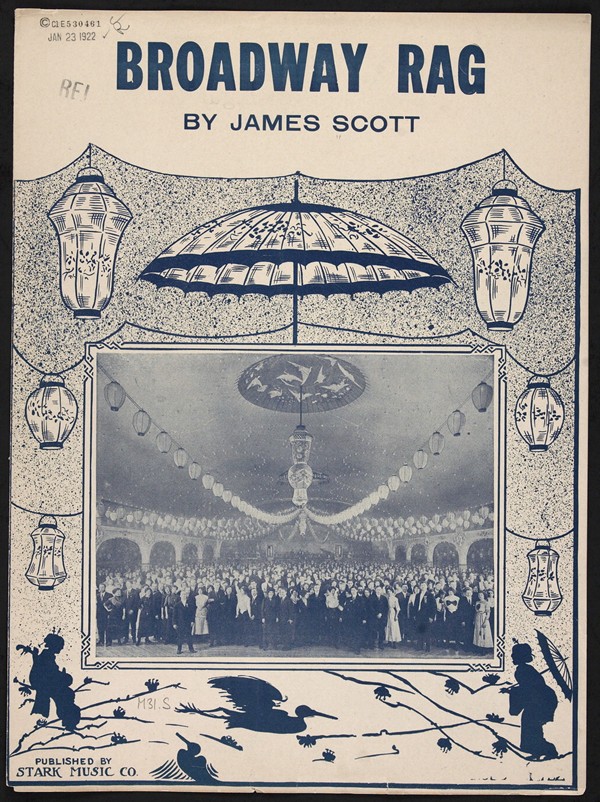
James Scott, Broadway Rag (St
Louis, MO: Stark Music Company, 1922).
[view sheet
music]
Source: Cover from Library of
Congress, Music Division [top]
|
In addition, Jasen and Tichenor
(1978:121) provide some detail about Calliope
Rag, reportedly discovered by Robert Darch
from one of the sisters of James Scott who told Darch
that her brother played it on the steam calliope at
Lakeside Park. This piece may be copyrighted, but is
found in the third and later editions of
They All Played Ragtime (Blesh
and Janis). In addition, a copy of the
piece is available from Bill Edwards, who made
enhancements on his
copyrighted version of the song and who provides
more
detailed information on Darch's "discovery."
3) Commercial
Recordings of James Scott Compositions
Set out below are several commercially available CD
recordings that contain the music of James Scott, with
Nielsen's CD being the most complete (it also has
excellent liner notes):
- Scott Kirby, Grace and Beauty: Ragtime
Classics (Virdania) [5 of 16 songs are
by James Scott] [Amazon.com
entry]
- Guido Nielsen, James Scott: The Complete
Works (1903-1922) (Basta Records, 2001)
[Amazon.com
entry]
- James Scott, Classic Ragtime from Rare
Piano Rolls (Biograph, 1997) [Amazon.com
entry]
In addition, there are a number of MIDI recordings of
James Scott compositions available on the Internet, as
follows:
4) Bibliography
Set out below are some of the more commonly cited
resources on James Scott. The DeVeaux
and Kenney book from the Smithsonian Institution
Press is a wonderful and elegant book but is,
unfortunately, out of print and difficult to obtain
(check your local University library).
- Affeldt, P. "James Scott: Crown Prince of Ragtime"
(Oct 1960) 1 Jazz Report 7-9.
- Berlin, Edward. Ragtime: A Musical and
Cultural History. Berkeley, CA: University of
Los Angeles Press, 1980.
- Blesh, Rudi & Harriet
Grossman Janis. They All Played Ragtime. 4th
ed. New York: Oak Publications, 1996 [Internet Archive version].
- DeVeaux, Scott & William
Kenney, eds. The Music of James Scott.
Washington, DC: Smithsonian Institution Press, 1992.
- "James Scott Memorial Dedication Ceremony" (July
1981) 15 Rag Times 6.
- Jasen, David & Gene Jones. That
American Rag: The Story of Ragtime from Coast to
Coast. New York: Schirmer Books, 2000 [Internet Archive version].
- Kenney, William. "James Scott and the Culture of
Classic Ragtime" (1991) 9:2 American Music
149-182.
- Morgan, Ray. "James Scott Marker Completed" (1980)
14 Rag Times 1. Reprinted from the Kansas
City (Missouri) Times (2 October
1980).
- Schafer, William. "Grace and Beauty: The Case of
James Scott" (1975) 2 Mississippi Rag 7-8.
- VanGilder, Marvin. "James
Scott" in JE Hasse, ed. Ragtime: Its History,
Composers, and Music. New York: Schirmer
Books, 1985 [Internet Archive version].
- Wright, Bob & Trebor Tichenor. "James Scott
and CL Johnson: An Unlikely Musical Kinship" (1966)
5 Ragtime Review 7-8. Reprinted in (1972) 6
The Rag Times 4.
- Zimmerman, Dick. "James Scott's Missing Rags: Four
Unknown Scott Rags 'Discovered'" (November 1993)
27:4 The Rag Times 1.
[top]
|
|